


NEET-UG 2026 Crisis: Experts Demand Overhaul as Paper Leak Shatters Trust
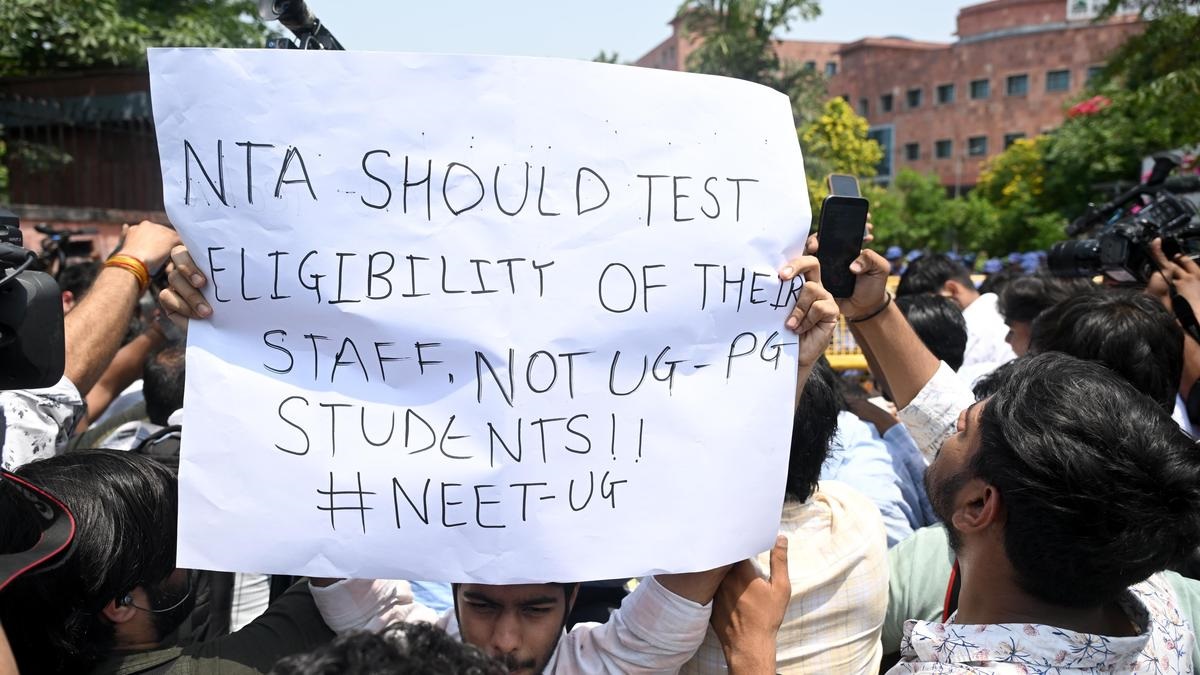
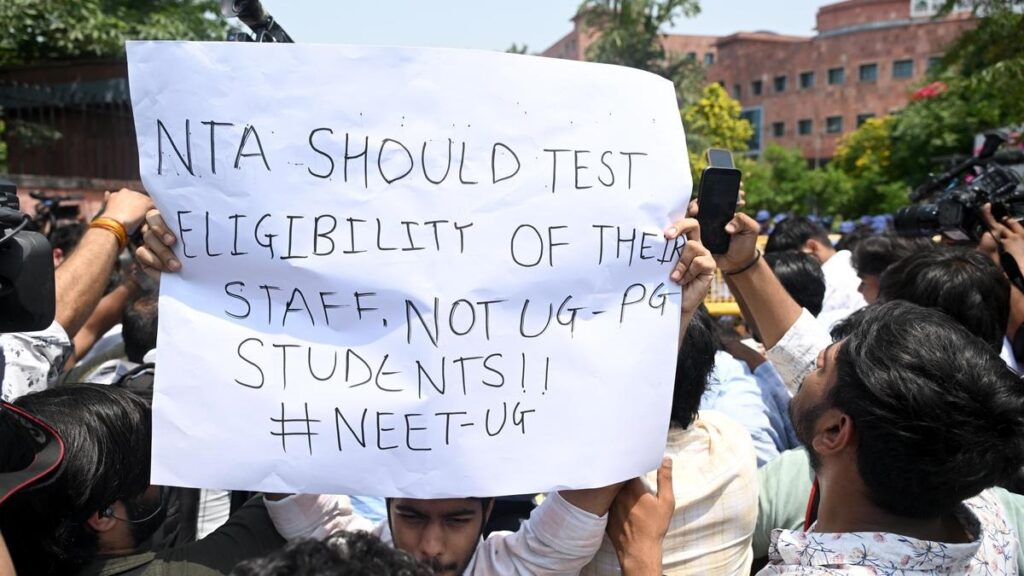
The cancellation of the National Eligibility cum Entrance Test (NEET-UG) 2026 has plunged the Indian medical education system into its gravest credibility crisis in recent history. On May 12, 2026, the National Testing Agency (NTA) announced the unprecedented step of scrubbing the entire examination held just nine days earlier, citing “integrity compromises”. This decision, affecting over 2.2 million aspirants, was precipitated by irrefutable evidence of a massive paper leak that has since exposed a sophisticated, multi-state criminal network.
As the Central Bureau of Investigation (CBI) takes over the probe, a chorus of education experts, medical associations, and state leaders is demanding radical structural reforms. The discourse has moved beyond simple damage control to fundamental questions about the viability of a “one nation, one exam” model. The primary demands now dominating the national conversation are the immediate transition to digital testing and, politically most significant, the exemption of State-government medical seats from the central NEET mandate.
The Anatomy of the 2026 Leak
The scale of the 2026 leak appears to dwarf previous irregularities. Investigations by the Rajasthan Police Special Operations Group (SOG) revealed that a “guess paper” circulating on encrypted messaging apps like WhatsApp and Telegram contained 120 questions that were identical to those in the actual question paper. This was not a case of random rumors; it was a precision breach. The leaked material, which reportedly originated from a printing press compromise in Nashik or Pune, was digitized and sold for sums ranging from ₹30,000 to ₹30 lakhs.
The breach was systemic. The “guess paper” moved through a well-oiled network of coaching centers and “solver gangs” spanning Rajasthan, Bihar, Jharkhand, and Maharashtra. Despite the NTA’s claims of “foolproof” security mechanisms—including 5G jammers and AI surveillance—the physical chain of custody for the paper booklets remained vulnerable. The use of private couriers and e-rickshaws for transporting sensitive materials has been highlighted by petitioners in the Supreme Court as a glaring security lapse that persists despite repeated warnings.
The Failure of Past Reforms
The outrage is compounded by the fact that this disaster was foretold. Following the 2024 paper leak scandal, the Union Government constituted a High-Level Committee of Experts led by former ISRO Chairman Dr. K. Radhakrishnan to recommend safeguards. The committee submitted its report in October 2024, advocating for a transition from the pen-and-paper mode to a Computer-Based Test (CBT) and suggesting multi-stage digital locking of papers to minimize human handling.
However, by May 2026, these key recommendations remained largely unimplemented. The NTA continued to rely on the physical distribution of question papers, a logistical model that has now failed multiple times. Experts argue that the refusal to modernize the testing infrastructure effectively enabled the 2026 leak. The Federation of All India Medical Association (FAIMA) has moved the Supreme Court, demanding not just a re-exam but a complete restructuring of the NTA, arguing that the agency has lost the moral authority to conduct high-stakes examinations.
The Case for Exempting State Seats
Perhaps the most consequential policy shift being debated is the exemption of State-government medical seats from the NEET purview. This demand, long championed by Tamil Nadu, has gained fresh momentum and wider acceptance following the 2026 debacle.
Tamil Nadu Chief Minister Vijay has written to the Centre, reiterating the state’s demand to abolish NEET and fill MBBS, BDS, and AYUSH seats based on Class 12 board examination marks. The argument is twofold:
- Federal Autonomy: Health and education are subjects where states have significant constitutional stakes. State governments fund and operate the majority of government medical colleges. Leaders argue that they should retain the right to decide the admission criteria for their own institutions, ensuring that local healthcare needs are met by local doctors.
- Socio-Economic Equity: Critics argue that NEET has morphed into a “coaching-centric” exam that disenfranchises rural and economically disadvantaged students who cannot afford expensive private coaching. The sophisticated nature of the 2026 leak—involving high-priced “leaked papers” accessible only to the wealthy—has reinforced the view that the centralized exam favors the privileged. CM Vijay emphasized that a return to Class 12 marks would democratize access, levelling the playing field for students from government schools and vernacular mediums.
Experts supporting this view suggest a hybrid model: a national test for Central institutes (like AIIMS) and All India Quota seats, but allowing states the flexibility to opt out and use normalized board scores for their own state-quota seats. This would decentralize the risk; a leak in one state’s board exam would not paralyze the entire nation’s medical admissions.
The Path Forward: Digital and Decentralized?
The consensus among educationists is that the current format of NEET-UG is unsustainable. To restore sanctity, the following measures are being urgently proposed:
- Adoption of CBT: Moving to a Computer-Based Test is seen as non-negotiable. CBT allows for encrypted question delivery that can be decrypted only minutes before the exam, eliminating the weeks-long window where physical papers sit in bank vaults, vulnerable to theft.
- Hybrid Admission Models: The exemption of state seats is no longer a fringe demand but a serious policy alternative. It addresses the “single point of failure” risk that currently plagues the system. If 2.2 million students rely on a single paper, any breach is catastrophic. Decentralization distributes that risk.
- NTA Overhaul: There are calls for the NTA to be reconstituted with a leadership team comprising cybersecurity experts and forensic scientists, rather than just general administrators, to combat the tech-savvy “exam mafia”.
Conclusion
The NEET-UG 2026 paper leak is not just an administrative failure; it is a tragedy for the millions of students who spent years preparing, only to see their efforts nullified by corruption. While the immediate focus is on the CBI investigation and the scheduling of a fair re-exam, the long-term solution lies in dismantling the centralized, coaching-dependent monopoly that NEET has become. Whether through digital modernization or returning admission powers to the states, the status quo has been shattered. The government must now choose between patching a broken system or building a new, more resilient architecture that values merit over money.