



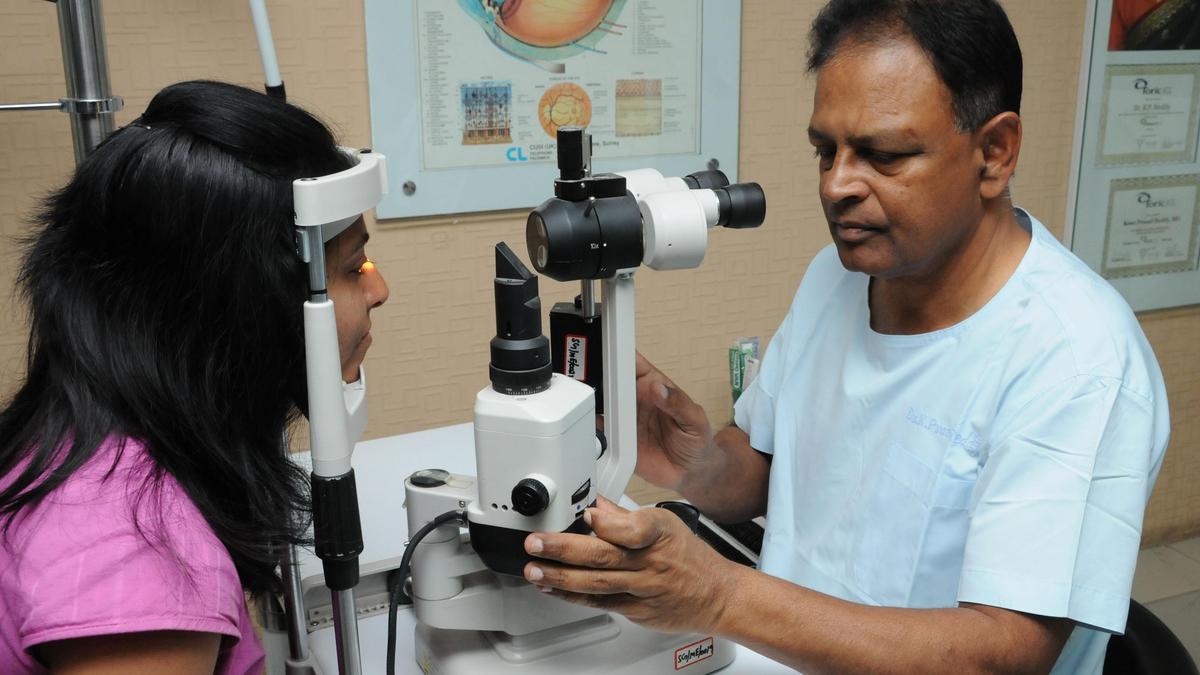
Primary care clinicians play a vital role in saving children’s sight and lives through early eye cancer detection.
Retinoblastoma is a rare but life-threatening eye cancer affecting infants and toddlers. When caught early, the survival rate is extremely high, and vision can often be saved. However, delayed diagnosis leads to severe complications, including vision loss or the removal of the eye.
💡 Why Primary Care Matters
- First Line of Defense: Parents bring infants to primary clinics for routine wellness checks.
- Routine Screenings: Simple, regular eye exams can catch early warning signs.
- Rapid Referrals: Quick action connects families to specialized pediatric ophthalmologists.
🔍 Key Signs to Look For
- Leukocoria: A white glow in the pupil, often seen in flash photography.
- Strabismus: Crossed eyes or eyes that do not align correctly.
- Vision Issues: Poor tracking of objects or rubbing of the eyes.
- Physical Changes: Redness, swelling, or a change in iris color.
🚀 Actionable Steps to Strengthen Care
- Standardize Training: Train all frontline nursing and medical staff on pediatric eye exams.
- Use Digital Tools: Integrate smartphone-based red-reflex testing into routine checkups.
- Educate Parents: Provide visual aid flyers about the “white glow” during vaccine visits.
- Create Direct Pathways: Establish fast-track referral protocols to oncology centers.