



Severe Monsoon Rains Devastate Sri Lanka: Two Fatalities Reported, Thousands Displaced
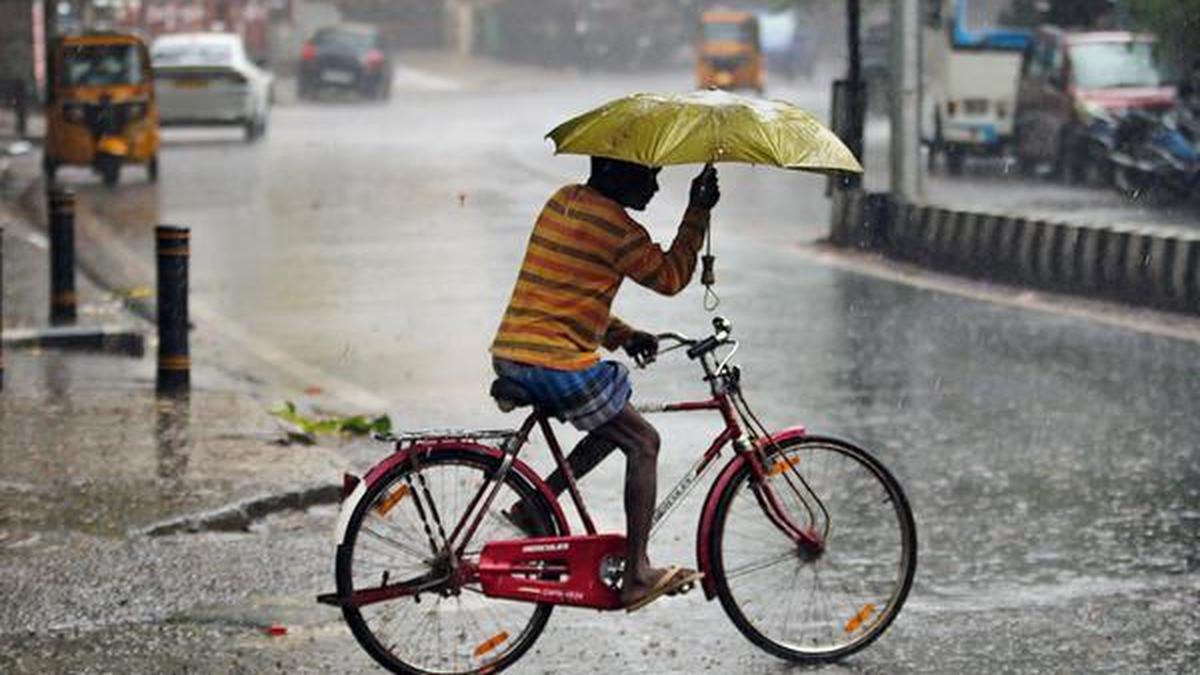
A severe weather system characterized by torrential monsoon rains, destructive winds, and widespread flooding has struck Sri Lanka. The adverse weather has caused severe disruptions across multiple provinces. State disaster management agencies have confirmed at least two fatalities. Thousands of citizens have been forced to evacuate their homes. The sudden onslaught of heavy downpours has overwhelmed local infrastructure, triggered hazardous landslides, and prompted emergency deployments by the military.
Casualties and Context of the Disaster
The Disaster Management Centre (DMC) confirmed the first two deaths during the initial hours of the storm system’s peak intensity.
- One fatality occurred due to a sudden landslide that buried a residential structure.
- The second death resulted from a falling tree uprooted by gale-force winds hitting a major thoroughfare.
The current weather crisis is driven by the active southwest monsoon. This seasonal system intensified rapidly over the Indian Ocean before making landfall across the southern and western coasts of Sri Lanka. Meteorologists note that precipitation levels in specific districts exceeded 150 millimetres within a single 24-hour window. This volume easily surpassed seasonal averages and oversaturated the soil profile across vulnerable hilly terrains.
Geographic Impact and Displacement Statistics
The impact of the heavy rains is widespread, affecting several key provinces:
- Western Province: Colombo, Gampaha, and Kalutara districts report severe urban flash floods. Main roads are transformed into fast-flowing rivers.
- Southern Province: Galle and Matara districts face significant agricultural damage. Low-lying paddy fields are completely submerged.
- Sabanagamuwa Province: Ratnapura and Kegalle districts are placed under high-level landslide alerts due to steep, unstable mountain slopes.
Official figures from the DMC indicate that over 12,000 individuals across nearly 3,500 families have been directly impacted. Floodwaters have breached the foundations of hundreds of homes. This has forced residents to abandon their belongings and seek immediate refuge. The government has established over 40 temporary relief camps in schools, temples, and community centers to provide safe shelter.
Infrastructure Damage and Urban Paralysis
The heavy rains have severely paralyzed the nation’s transport, energy, and communication infrastructure.
- Transportation Deadlocks: Major highways connecting Colombo to the southern and central regions are impassable due to deep water or debris. Tree trunks and mudslides have blocked critical railway lines, suspending multiple commuter train services.
- Power Grid Failures: Electricity supply was intentionally disconnected in severely flooded sectors of Gampaha and Kalutara. This preventive measure aims to avert accidental electrocutions from submerged transformers. Over 50,000 households remain without stable power.
- Water Supply Disruptions: Muddy runoff and high turbidity levels have compromised local water treatment plants. This has led to temporary supply suspensions and clean drinking water shortages in urban centers.
Emergency Response and Rescue Operations
The Sri Lankan government has mobilized a massive, multi-agency emergency response operation to handle the escalating crisis.
- Tri-Force Deployment: The Sri Lanka Army, Navy, and Air Force have deployed specialized rescue teams equipped with inflatable boats and heavy machinery to flooded zones.
- Stranded Citizen Evacuations: Navy personnel are prioritizing the evacuation of vulnerable groups, including the elderly, pregnant women, and children, from marooned villages in the Southern Province.
- Debris Clearance: Engineering regiments are working alongside local municipal workers to clear blocked drainage networks and remove landslide debris from major roadways.
- Resource Allocation: The Ministry of Finance has approved the immediate release of emergency funds to regional secretariats to purchase essential dry rations, clean bedding, and basic medical supplies for displaced populations.
Health Warnings and Secondary Risks
Health authorities have issued urgent public advisories to prevent secondary health crises in the aftermath of the floods.
- Waterborne Diseases: The Ministry of Health warns of an elevated risk of waterborne illnesses, such as diarrhea, cholera, and typhoid, due to contaminated well-water systems.
- Vector-Borne Risks: Stagnant floodwaters create ideal breeding grounds for mosquitoes, raising concerns over a potential spike in Dengue fever cases in the coming weeks.
- Leptospirosis Prevention: Agricultural workers and rescue teams are urged to wear protective footwear to avoid contracting Leptospirosis (rat fever) through skin contact with contaminated floodwaters.
Meteorological Outlook and Ongoing Precautions
The Department of Meteorology warns that the current monsoon conditions are expected to persist over the next few days.